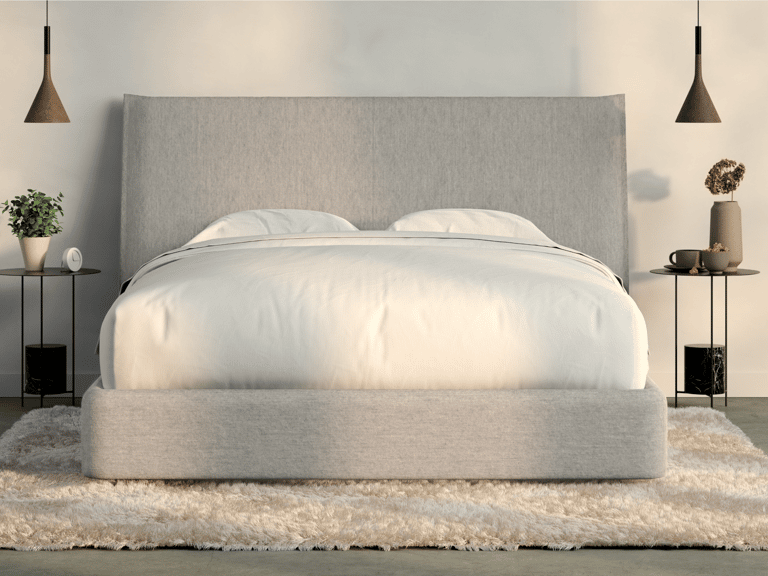
A Practical Guide to Adjustable Bed Bases: How They Work, What to Expect, and Safety Considerations
A comprehensive, editorial-style exploration of how adjustable bed bases operate, their compatibility with mattresses, and the essential safety practices for homes and care settings.
In the quiet luxury of a well-appointed bedroom, a bed is more than a resting place; it is a theater for daily rituals—reading, decompressing after a long day, or sharing a space that adapts to how life unfolds. The modern adjustable bed base sits at the center of this theater, a quiet, powerful mechanism that tilts, flexes, and elevates with understated grace. For homeowners, caregivers, and sleep enthusiasts alike, understanding how these systems work is the first step toward elevating comfort without abandoning safety.
This guide honors the elegance of precision engineering while embracing a non-promotional, educational voice. We explore the core components that animate adjustable bases—motors, frames, and remotes—along with the practical realities of compatibility with various mattresses, lift capacities, movement speeds, and the care required to keep performance consistent over time. Think of this as a refined briefing on the mechanics of rest, tempered by attention to safety, ergonomics, and everyday practicality.
Key Takeaways
- Adjustable bed bases are built around coordinated motors that raise the head and/or foot sections.
- Most bases are compatible with a wide range of mattresses, but compatibility checks matter for height, firmness, and warranty.
- Safety first: weight capacity, pinch-point prevention, and proper installation are essential in homes and care settings.
How Adjustable Bed Bases Work
At their heart, adjustable bed bases are a choreography of components designed to lift, tilt, and support. The primary actors are:
- Motors: Quiet, efficient units that power the elevation of the head and/or foot sections. Many modern bases feature dual-motor configurations, which allow independent control of each segment for personalized comfort.
- Frame: The structural backbone that houses the motors and provides stability. Advanced frames prioritize wall-hugging designs, low-profile profiles, and robust reinforcement to accommodate frequent adjustments.
- Remote and Controls: Handheld remotes, wireless interfaces, and (in premium models) app integrations that store presets and simplify operation. The interface should feel intuitive—clear buttons, logical presets, and responsive feedback.
- Mattress Interaction: Adjustable bases interact with a variety of mattresses—memory foam, latex, hybrid, and innerspring—with considerations for warranty and support.
The motion produced by these bases is designed to be smooth and progressive. Customers often report benefits in circulation, relief from certain types of back or neck discomfort, and more versatile positions for reading or watching TV. When selecting a base, consider the range of motion, lift capacity, noise level, and how the bed will be used in daily life.
Safety and Maintenance: The Non-Negotiables
Safety is the quiet current that should run through every discussion of adjustable bases. The most crucial safety considerations include:
- Weight and Lift Capacity: Choose a base with a lift capacity that exceeds the total weight of the user(s) and bedding. Exceeding weight ratings can compromise mechanism longevity and stability.
- Pinch-Point Prevention: Ensure that the design minimizes pinch points at joints and gaps along the frame. Regular inspection of moving joints helps prevent pinched fingers or fabric snagging.
- Installation and Setup: Follow manufacturer guidelines for any required spacing, foundation compatibility (slats, platform), and bed height. A misaligned base can grant uneven wear and suboptimal performance.
- Mattress Compatibility: Some mattresses meet warranty criteria only when used with an appropriate base. For example, very thick or very soft mattresses may require additional support to maintain surface comfort and even wear.
- Electrical Safety: Use appropriate outlets, avoid overloading circuits, and keep remote controls away from moisture. In care settings, ensure that cords are managed to prevent tripping hazards.
- Maintenance Schedule: Regularly check motor mounts, screws, and the integrity of under-bed lighting. A light, periodic check helps ensure smooth operation and longevity.
In hospital and elder-care settings, safety protocols extend beyond personal comfort. This includes caregiver training on slide-to-recline techniques, fall-prevention measures when repositioning patients, and an understanding of how to respond if a base malfunctions. The vocabulary of safety in these contexts is precise: check weight limits, ensure immobilization where needed, and document presets for consistent repositioning.
Mattress Compatibility and Comfort: The Right Pairing
Not all mattresses play nicely with every adjustable base. A harmonious pairing results in a surface that flexes uniformly, distributes weight evenly, and preserves spinal alignment. Here are guiding principles:
- Foam and latex mattresses tend to flex well with most bases, providing consistent pressure relief as the base angles.
- Hybrid and innerspring mattresses can also perform well, but ensure the coil structure isn’t overly rigid and that the top layers adapt to the contours of the adjustable mechanism.
- Bed-in-a-box and off-gassing considerations are less about the base and more about the choice of mattress materials and covers.
A practical approach is to test a few sleep positions—zero gravity, head-up, and foot-up—on a mattress that you anticipate using with the base. Look for uniform support across the surface, minimal edge compression, and ease of movement as the base changes configuration.
Three Key Figures Across Time: Perspectives on Comfort, Design, and Technology
To enrich this guide with cultural texture and historical context, we invite three influential figures who, in different eras, contemplated rest, form, and human well-being:
Mid-20th Century: Charles and Ray Eames
The dynamic duo reimagined modern furniture through sculptural forms, timber, and molded plywood. Their approach to comfort—ergonomic silhouettes, adaptable surface planes, and a respect for the human body's curves—still reverberates in contemporary bed frames and bases that emphasize support, proportion, and an understated luxury.
Late 20th Century: Dieter Rams
Rams championed clarity, simplicity, and a functional ethos that foregrounds user experience. In the realm of sleep technology, his insistence on honest design—where form serves function—traces a throughline: adjustable bed bases must feel intuitive, operate quietly, and offer meaningful comfort without noise, clutter, or excess.
Contemporary: Dr. Maureen McGinnis (Sleep Science Innovator)
In the modern era, sleep science and home automation intersect. Thoughtful exploration of sleep stages, posture, and respiratory comfort informs how we design beds that adapt to human physiology. The contemporary voice considers data privacy, sensor placement, and the delicate balance between technology and tranquil repose.
Product Spotlight: Modern American Trellis Low Footboard Bed
The Modern American Trellis Low Footboard Bed from Vermont Furniture Designs embodies a refined, tactile elegance that frames a sanctuary of rest. Crafted from solid hardwood with a no VOC linseed oil and wax finish, this bed exudes quiet sophistication while prioritizing sustainable, health-conscious materials. Its low footboard preserves a streamlined silhouette, complementing a variety of bedding configurations and sleep rituals.
The design language—clean lines, natural grain, and a confidence in craftsmanship—speaks to a lifestyle that values longevity and understated luxury. This bed is not a mere object; it is a steady anchor for a room that hosts night rituals, morning rituals, and the gentle rituals of daily life.

Note: This image is illustrative of the bed’s aesthetic. Availability may vary by retailer.
Guided Steps: Choosing, Installing, and Maintaining Your Adjustable Base
Consider the room layout, ceiling height, and whether a wall-hugging design would improve accessibility to the nightstand and lighting controls. Confirm that your mattress type and height are compatible with the base’s mounting system and warranty terms. Look for pinch-point protection, emergency manual override, and secure mounting hardware. Ensure a dedicated, grounded outlet is available near the bed, with a clear cord path and surge protection where appropriate. If possible, test the base’s presets (Zero Gravity, Anti-Snore, Flat, etc.) and program settings that support your nightly routine. Periodically inspect joints, check for unusual noises, and clean the under-bed area to prevent dust buildup that can affect motors over time.
A Vogue Perspective: The Language of Rest
Rest, in the Vogue lens, is an act of self-definition. An adjustable bed base translates downtime into design, function into form. It is an instrument, a quiet ally that respects your body’s architecture and your nocturnal rituals. In the intersection of luxury, science, and daily life, the bed becomes a canvas for how we care for ourselves—gently, deliberately, and with an eye for enduring elegance.
As you navigate this landscape, remember that the goal is not merely comfort but a holistic experience of sleep health, privacy in data handling, and a design that harmonizes with your interior world. The future of sleep technology is not a spectacle; it is a refined conversation between material quality, mechanical reliability, and intimate daily rituals.
Closing Thoughts: A Blueprint for Your Bedroom Identity
The domain of electricbed.us is a doorway to knowledge rather than promotion. This piece has journeyed through the mechanics of adjustable bases, safety imperatives, and the design language of contemporary sleep furniture. It has invited voices from the past and present to remind us that the most luxurious spaces are not merely about opulence, but about thoughtful, well-constructed systems that support the healthiest, most restorative nights.
If you would like, we can craft a site map and a content calendar—expanded outlines for 6–8 articles to build a robust, editorially rigorous, non-commercial resource. The aim is to cultivate authority through depth, citations, and a non-promotional voice that invites readers to explore sleep technology with curiosity and discernment.